|
|||||||||||||||||||||||||||||||||||||||||||||||||||||||||||||||||||||||||||||||||||||||||||||||||||||||||||||||||||||||||||||||||||||||||||||||||||||||||||||||||||||||||||||||||||||||||||||||||||||||||||||||||||||||||||||||||||||||||||||||||||||||||||||||||||||||||||||||||||||||||||||||||||||||||||||||||||||||||||||||||||||||||||||||||||||||||||||||||||||||||||||||||||||||||||||||||||||||||||||||||||||||||||||||||||||||||||||||||||||||||||||||||||||||||||||||||||||||||||||||||||||||||||||||||||||||||||||||||||||||||||||||||||||||||||||||||||||||||||||||||||||||||||||||||||||||||||||||||||||
| 4-2-06 - DREAM
- I got a job at a hotel serving people in general.
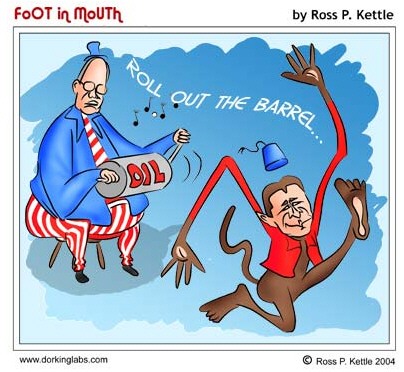
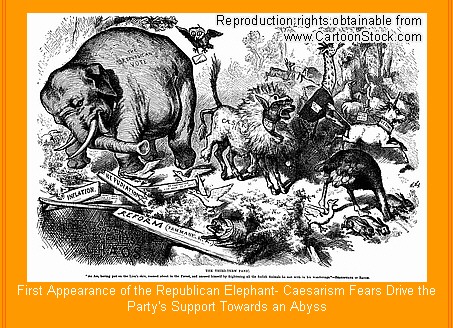
(I had the dream first and then dreamed it again to explain it) I was in New York City on Wall Street. Outside a large building, there was a young boy with a chimpanzee and they were entertaining the people and making them laugh. The crowds were gathering because the happiness ofo the few drew in more people who wanted to be happy. Right next to the boy with the chimpanzee was a big old elephant in an enclosure with a pool of water. Nobody paid any attention to the elephant so it dove into the pool screaming. Nobody cared. Nobody wanted to hear the elephant scream. So the elephant was alone in its enclosure. The people abandoned it. NOTE: I think this is about the coming election - Democrats vs Republicans.
|
|||||||||||||||||||||||||||||||||||||||||||||||||||||||||||||||||||||||||||||||||||||||||||||||||||||||||||||||||||||||||||||||||||||||||||||||||||||||||||||||||||||||||||||||||||||||||||||||||||||||||||||||||||||||||||||||||||||||||||||||||||||||||||||||||||||||||||||||||||||||||||||||||||||||||||||||||||||||||||||||||||||||||||||||||||||||||||||||||||||||||||||||||||||||||||||||||||||||||||||||||||||||||||||||||||||||||||||||||||||||||||||||||||||||||||||||||||||||||||||||||||||||||||||||||||||||||||||||||||||||||||||||||||||||||||||||||||||||||||||||||||||||||||||||||||||||||||||||||||||
|
|||||||||||||||||||||||||||||||||||||||||||||||||||||||||||||||||||||||||||||||||||||||||||||||||||||||||||||||||||||||||||||||||||||||||||||||||||||||||||||||||||||||||||||||||||||||||||||||||||||||||||||||||||||||||||||||||||||||||||||||||||||||||||||||||||||||||||||||||||||||||||||||||||||||||||||||||||||||||||||||||||||||||||||||||||||||||||||||||||||||||||||||||||||||||||||||||||||||||||||||||||||||||||||||||||||||||||||||||||||||||||||||||||||||||||||||||||||||||||||||||||||||||||||||||||||||||||||||||||||||||||||||||||||||||||||||||||||||||||||||||||||||||||||||||||||||||||||||||||||
2006 senate
elections
U.S. Senate RacesRetiring Maryland (Sarbanes-D) - Sen. Paul Sarbanes, 72, will end his 30-year career in the Senate. Candidates to replace him are Rep. Ben Cardin (D), former NAACP president and former Rep. Kweisi Mfume (D), whose image was tarnished somewhat after he admitted to having an affair with an underling while at the NAACP. Forensic psychiatrist Lise Van Susteren, college history professor/voting rights activist Allan Lichtman and business executive, former state Senator and former Baltimore County Executive Dennis Rassmussen are also running for the Democrats. For the Republicans, possible candidates include Lt. Gov. Michael S. Steele, Tom Hampton and—don't think he wouldn't—Alan Keyes, among others. Anti-war independent Kevin Zeese, who is seeking the nomination from the state's Libertarian, Populist and Green Parties, is also running. March 3 Minnesota (Dayton-D) - Sen. Dayton announced that he will retire at the end of his current term. Rep. Mark Kennedy is the likely nominee for the Republicans. Hennepin County attorney Amy Klobuchar is the leading Democratic candidate; veterinarian Ford Bell is also running. Nurse Michael Cavlan is running for the Greens. Public Access TV director Robert Fitzgerald is running as an independent. Klobuchar (42%) and Bell (45%) both narrowly lead Kennedy (40%/42%) in a recent head-to-head poll conducted by Rassmussen. March 3 Tennessee (Frist-R) - With Sen. Majority Leader Bill Frist retiring in 2006 to possibly run for president, the Tennessee senate race is shaping up to be one of the hottest of 2006. Rep. Ed Bryant is the leading Republican contender; former Rep. Van Hilleary, Chattanooga Mayor Bob Corker and hospital communications director Jeff Moder. For the Democrats, Rep. Harold Ford and state Sen. Rosiland Kurita are running. Conservative Emory "Bo" Heyward is running as an independent. March 3 Vermont (Jeffords-I) - Jim Jeffords, 70, announced last year that he won't seek re-election. Independent Rep. Bernie Sanders is the top candidate to replace him, receiving the support of state Democrats and Vermont's Progressive Party. For the Republicans, Marine veteran Greg Parke, businessman Richard Tarrant are running. Conspiracy theorist Craig Hill (G) is also running. Lt. Gov. Brian Dubie (R) entered the race, but later dropped his bid. Sanders looks to be a safe bet at this point. A Research 2000 poll from early November showed Sanders (64%) with a hefty lead over Tarrant (16%). March 3 In trouble??? Florida (Bill Nelson-D) - Former astronaut Bill Nelson (D) will most likely face Rep. Katherine Harris (R), who won national notoriety presiding over the 2000 Florida recount. Republician leaders, embarrassed by Harris, have tried to recruit a number of high-profile challengers for the GOP primary, but having exhausted their search, are now supporting Harris. Attorney and professor Belinda Noah (R) and Del Adolph are also running. The primary will be held Sept. 5.March 3 Montana (Burns-R) - Burns has begun raising $8 to $10 million for his re-election in 2006. Running for the Democrats are state Senate President John Tester, state Auditor John Morrison, former state Rep. Paul Richards and businessman Clint Wilkes. Burns, who will be almost 72 on election day, is coming under the scrutiny of the Justice Department in the bribery and corruption probe of Indian casino lobbyist Jack Abramoff, and Burns approval rating is among the lowest in the country. In 2000, Burns won a tight race (51% to 47%) over Brian Schweitzer (D), who was elected governor in 2004. Aside from taking the governor's race in 2004, Montana Democrats took control of the state senate and state house and now hold most statewide offices. Dems will try to capitalize on this momentum in 2006 by making a serious challenge against Burns. The primary will be held June 6. March 3 New Jersey (Menendez-D) - Sen. Jon Corzine won the race for governor of New Jersey in 2005 and appointed Rep. Robert Menendez (D) to fill out his term in the senate. Menendez will run for the seat in 2006 and has $4.1 million campaign war chest. Republican state Sen. Tom Kean Jr. is his likely opponent. The New Jersey primary will be held June 7. March 3 Ohio (DeWine-R) - DeWine cheesed off conservatives by joining the so-called Gang of 14 — a group of moderate Republicans and Democrats who made a pact to avoid a major showdown on President Bush's judicial nominees. Suddenly, DeWine may be in trouble in a state dominated by conservatives. Futhermore, a coin investment scandal appears to be hurting the GOP on a statewide basis — making a Democratic pickup in Ohio a distinct possibility. Rep. Sherrod Brown is the likely Democratic nominee after the party shamelessly squashed the ambitions of Iraq veteran and recent congressional nominee Paul Hackett. Military veteran John Mitchel (R) and engineer William Pierce (R) and financial analyst David Smith are challenging DeWine in the May 2 primary. March 3 Pennsylvania (Santorum-R) - Numerous polls show Sen. Rick Santorum (R) trailing his likely challenger, state Treasurer Bob Casey (D). College professor Chuck Pennacchio (D), attorney Alan Sandals (D), and pro-gun Teamster G. Edward Cook are also running. The primary is held on May 16.March 3 Rhode Island (Chafee-R) - Sen. Lincoln Chafee flirted with the idea of switching parties and is finding himself vulnerable to challengers from both sides. Cranston Mayor Stephen Laffey (R) recently announced his primary challenge to Chafee. Secretary of State Matt Brown (D), former Attorney General Sheldon Whitehouse (D) and veteran and businessman Carl Sheeler have announced their candidacies. Because he's a moderate, Chafee is going to be tough to beat, although it is clear he will be attacked from all sides. The Rhode Island primary will be held Sept. 12. March 3 Safe seats (for now!) Arizona (Kyl-R) - Jon Kyl, who will be 64 on election day, is considered pretty safe. Former state Democratic Party chair Jim Pederson (D) will self-finance his challenge to Kyl. The Arizona primary will be held Sept. 12. March 11 California (Feinstein-D) - Sen. Dianne Feinstein will be 73 in election year and is one of the most popular politicians in the state. She should have no trouble trouncing former state Sen. Dick Mountjoy (R). Todd Chretien, a writer and anti-war activist from Oakland, and Tian Harter are running for the Greens. Marsha Feinland is running for the Peace and Freedom Party. Founder of the Minuteman Project Jim Gilchrist, who was a recent congressional candidate for the ultraconservative American Independent Party, is no doubt weighing his political future. The California primary will be held on June 6. March 11 Connecticut (Lieberman-D) - Lieberman's closeness with President Bush and his ideology is unsettling to some Democrats. Telecommunications company founder Ned Lamont is challenging Lieberman in the Democratic primary. Peace activist Ralph Ferrucci is running for the Greens. The Connecticut Primary is slated for Aug. 8, 2006. March 11 Delaware (Carper-D) - Pilot and Marine veteran Mike Protack and Temple University law professor Jan Ting are running in the GOP primary. Regardless of the challenger, Carper is strongly favored to win in this Democratic state. March 11 Hawaii (Akaka-D) - Akaka is getting up there in age; he was born Sept. 11, 1924, and will be 82 on election day. Akaka has said he'll run again and is considered safe, though Rep. Ed Case (D) has made a surprising entry into the primary race, upsetting many of the state's top Dems. The Hawaii primary is to be held on Sept. 23, 2006. March 11 Maine (Snowe-R) - The moderate Snowe, who announced in December that she is going to seek re-election, although rumors are still floating that she may retire. Sate Senate Majority Leader Michael Brennan, organic farmer Jean Hay Bright, corporate lawyer Eric Mehnert are running for the Democrats. Regardless her challenger on Election Day, the popular moderate Snowe will be tough to beat. Oct. 31 Massachusetts (Kennedy-D) - Sen. Ted Kennedy was born Feb. 22, 1932, and will be 74 on election day in 2006. Former Wakefield Selectman Kevin Scott is running for the GOP, although Kennedy is strongly favored to win. Michigan (Stabenow-D) - The Republicans are making Sen. Debbie Stabenow a target in 2006. President Bush tried to recruit Rep. Candice Miller (R), who earned a record number of votes as a statewide candidate in 1998, to challenge Stabenow, but Miller in January 2005 said that she would not run. Former Detroit City Councilman Rev. Keith Butler, Rev. Jerry Zandstra of suburban Grand Rapids and Oakland County Sheriff Mike Bouchard, a moderate who was reportedly recruited by the national party to head off the more conservative Butler, are running for the Republicans. With a sorry-looking state party, the GOP has been unable to find a high-profile challenger to Stabenow. Oct. 31 Mississippi (Lott-R) - Lott announced in mid-January that he will indeed run again, ending much speculation. Lott has faced a few set-backs in recent years. In 2002, he was forced to step down from his Senate leadership role after making remarks that were interpreted by some as racist. Then in 2005, Lott lost about half of his net worth to Hurricane Katrina, including a house on the Gulf Coast. Despite his set backs, he's a safe bet against state Rep. Erik Fleming (D). Jan. 17 Missouri (Talent-R) - Freshman Sen. Jim Talent will likely run again and has a pretty good shot at winning. State Auditor Claire McCaskill (D) is set to challenge Talent with strong backing from the party. Columnist Bob Novak reports that McCaskill, the party's 2004 gubernatorial nominee, has been promised "lavish financing" from the DSCC. In a sad side note, McCaskill's former husband David Exposito, whom she divorced in 1995, was gunned down in the streets of Kansas City in mid-December. Dec. 14 Nebraska (Ben Nelson-D) - Several top tier candidates have passed on this race. For the GOP nomination, it will be the battle of the "formers": Former Attorney General and 2000 nominee Don Stenberg (R), former GOP chairman David Kramer and former Ameritrade COO Pete Ricketts. At this point, this seat looks somewhat safe for Nelson, although that could turn on a dime. Oct. 5 Nevada (Ensign-R) - Ensign and fellow Nevada Sen. Harry Reid (D) have a storied working relationship, and the two are said to have a pact not to campaign against one another. In spite of that, it appears that Jack Carter, son of President Jimmy Carter, may challenge Ensign. Without Reid's help, Carter would have an uphill battle, but he could make it interesting. Oct. 5 New Mexico (Bingaman-D) - Bingaman announced in mid-Feb. that he's going to seek a fifth term, putting an end to rumors that he may retire. Former state Sen. Tom Benavides, a former Democrat, announced he will challenge Bingaman as a Republican. In a previous election, he had tried to get on the ballot against Bingaman as a Reform Party candidate. Also running is David Pfeffer (R), a former Democrat who is a Santa Fe city council member. Unless a high-profile candidate like Rep. Heather Wilson (R) comes forward, Bingaman is pretty safe. Nov. 26 New York (Clinton-D) - Sen. Hillary Clinton is running for re-election, ahead of her expected presidential run in 2008. Her primary opponent will be Steven Greenfield, a 2002 Green Party candidate for Congress. Greenfield plans to run on an anti-war platform, challenging Clinton's hawkish stance on the war. GOP candidates include attorney Bill Brenner and former Yonkers Mayor John Spencer. Westchester County District Attorney Jeanine Pirro recently dropped her dismal bid for U.S. Senate, fueling speculation that President Nixon's son-in-law Ed Cox, who works as an attorney, may re-enter the race for the GOP nomination. Dec. 22 Texas (Hutchison-R) - Hutchison considered running for governor in 2006, but recently announced that she'll seek re-election. Barbara Ann Radnofsky, a Houston attorney, is running for the Democrats. Scott Jameson and Timothy Wade are running for the Libertarians. Small town city council member and pet owner Arthur W. Loux is running as an independent. Given that Hutchison is one of the most popular politicians in the state, she's going to be very, very tough to beat in 2006. The Texas Primary kicks off the mid-term election cycle on Tuesday, March 7, 2006.March 6 Utah (Hatch-R) - Born March 22, 1934, Sen. Orrin Hatch will be 72 years old election year, but it looks like he is going to go for another term. Web "guru" Pete Ashdown is running for the Democrats. Also running is disabled veteran, peace activist and distant relative of Orrin Hatch Julian Hatch (G). Nov. 27 Virginia (Allen-R) - Allen got a major break when Mark Warner decided against running for this seat, possibly to run for president in 2008. Instead, Allen will likely face IT industry association president Harris Miller (D). Jan. 29 Washington (Cantwell-D) - Because of the state's close governor and presidential races in 2004, Sen. Maria Cantwell was to be a top GOP target in 2006. However, the GOP has had a very tough time recruiting a top-tier candidate. Former insurance executive Mike McGavick (R) is taking the plunge. Businessman and veteran Mark Wilson (D) has announced a primary challenge to Cantwell. Oct. 5 West Virginia (Byrd-D) - Born Nov. 20, 1917, Byrd will be almost 89 years old on election day in 2006, but he has announced his campaign for re-election. National Republicans tried to recruit Rep. Shelley Moore Capito to run against him, but she announced in early October 2005 that she won't run. Other challengers include 34-year-old Hiram Lewis (R), a veteran who served in Kuwait and Iraq, and optometrist Zane Lawhorn (R). Dec. 5 Wisconsin (Kohl-D) - Kohl, who will be 71 years old on election day in 2006, appears to be running for re-election. Attorney Robert Gerald Lorge (R) and peace activist Rae Vogeler (G) are running against him. This one is safe for Kohl unless a big name, like former Health and Human Services Secretary Tommy Thompson jumps in, although it looks like Thompson is exploring a presidential run.Nov. 26 Forget it's even happening Indiana (Lugar-R) - Lugar, who was born April 4, 1932, and will be 74 in election year, appears to be running again. Lugar is well respected and is, indeed, a great asset to our country, given his work with the Russians to disarm nuclear weapons. He will probably not see a serious challenger. The Indiana primary is to be held May 2. March 11 North Dakota (Conrad-D) - The White House aggressively tried to recruit popular Gov. John Hoeven (R), although Hoeven didn't take this bait. Conrad looks pretty safe. Oct. 1 Wyoming (Thomas-R) - Thomas was born Feb. 17, 1933, and will be 73 on election day in 2006. He has said that he intends to seek a third term. Navy scientist Dale Groutage is running for the Democrats. March 3 Not up for re-election, but may retire Alaska (Stevens-R) - Senator Ted Stevens is old, my friend. Born Nov. 18, 1923, Stevens will be nearly 83 years old on election day in 2006. Stevens, a 37-year veteran of the chamber, regularly threatens to resign if he doesn't get his way. Recently, he was dealt a major setback when Senate voted to sustain a filibuster that blocks Stevens' plan to drill for oil in the Arctic National Wildlife Refuge. Newpaper reports described Stevens as "angry," "furious" and even "sad" following the vote, but Stevens laters said that he would not resign, possibly because the Senate needs a pouter. He is up for re-election in 2008. Hawaii (Inouye-D) - Inouye recently coasted to re-election. Born Sept. 7, 1924, he'll be 82 years old on election day in 2006. He's up for re-election in 2010. Iowa (Grassley-R) - Born Sept. 17, 1933, Grassley will be 73 on election day in 2006. Grassley is up for re-election in 2010. Kansas (Roberts-R) - Born April 20, 1936, Roberts will be 70 on election day in 2006. He is up for re-election in 2008. Kentucky (Bunning-R) - Born Oct. 23, 1931, Bunning will be 75 on election day in 2006. Maryland (Mikulski-D) - Born July 20, 1936, Mikulski will be 70 on election day in 2006. She is up for re-election in 2010. Michigan (Levin-D) - Born June 28, 1934, Levin will be 74 on election day in 2006. Levin is up for re-election in 2008; rumor has it he won't be running for re-election, however. New Jersey (Lautenberg-D) - Born Jan. 23, 1924, Lautenberg will be 82 on election day in 2006. Lautenberg is up for re-election in 2008, but don't bet on him running again. He had reluctantly come out of retirement in 2002 as a replacement candidate for the Democrats, and few expected him to last this long. However, with Gov. McGreevey's early retirement, and Sen. Corzine's expected bid for governor in 2005 and re-election in 2006, the New Jersey political scene is already quite complicated, and he may wait until after the election in '06 to step down. New Mexico (Domenici-R) - Born May 7, 1932, Domenici will be 74 on election day in 2006. He's up for re-election in 2008. Oklahoma (Inhofe-R) - Born Nov. 17, 1934, Inhofe will be almost 72 on election day in 2006. He's up for re-election in 2008. Pennsylvania (Specter-R) - Born Feb. 12, 1930, Specter will be 76 in 2006. He's up for re-election in 2010. In mid-Feb., Specter announced that he had Hodgkin's lympoma and had to undergo of chemotherapy. Specter's doctor expects him to make a full recovery, and he has continued to serve in the Senate during his treatment. Utah (Bennett-R) - Born Sept. 18, 1933, Bennett will be 73 on election day in 2006. He is up for re-election in 2010. FROM: http://www.modernvertebrate.com/elections/2006-national/
|
|||||||||||||||||||||||||||||||||||||||||||||||||||||||||||||||||||||||||||||||||||||||||||||||||||||||||||||||||||||||||||||||||||||||||||||||||||||||||||||||||||||||||||||||||||||||||||||||||||||||||||||||||||||||||||||||||||||||||||||||||||||||||||||||||||||||||||||||||||||||||||||||||||||||||||||||||||||||||||||||||||||||||||||||||||||||||||||||||||||||||||||||||||||||||||||||||||||||||||||||||||||||||||||||||||||||||||||||||||||||||||||||||||||||||||||||||||||||||||||||||||||||||||||||||||||||||||||||||||||||||||||||||||||||||||||||||||||||||||||||||||||||||||||||||||||||||||||||||||||
| Poll: Issues Favor Dems in 2006 Elections
A Year Out from 2006 Vote, ABC News/Washington Post Issues Poll Suggests Opening for Change Analysis by GARY LANGER |
|||||||||||||||||||||||||||||||||||||||||||||||||||||||||||||||||||||||||||||||||||||||||||||||||||||||||||||||||||||||||||||||||||||||||||||||||||||||||||||||||||||||||||||||||||||||||||||||||||||||||||||||||||||||||||||||||||||||||||||||||||||||||||||||||||||||||||||||||||||||||||||||||||||||||||||||||||||||||||||||||||||||||||||||||||||||||||||||||||||||||||||||||||||||||||||||||||||||||||||||||||||||||||||||||||||||||||||||||||||||||||||||||||||||||||||||||||||||||||||||||||||||||||||||||||||||||||||||||||||||||||||||||||||||||||||||||||||||||||||||||||||||||||||||||||||||||||||||||||||


| Sampling, data collection and tabulation for this poll were done by TNS. |
Indeed, 55 percent of Americans in this ABC News/Washington Post poll say they'd like to see the Democrats take control of Congress in 2006. And if the election were today, registered voters would favor the Democrat in their congressional district by 52 percent to 37 percent.
That 15-point margin is numerically the biggest for the Democrats since an ABC/Post poll in September 1984 (they ultimately lost 14 seats), although about the same as a 14-point Democratic lead in one poll in 1996 (when they gained nine).
The Democrats' advantage on issues extends to some surprising areas — Iraq and the economy, for example — and show striking gains from late 2002.
|
Which Party Do You Trust to
Handle…
|
||||
| Democrats | Republicans | |||
| Economy | 56% | 34% | ||
| Social Security | 56 | 29 | ||
| Education | 55 | 32 | ||
| Health Care | 54 | 29 | ||
| Taxes | 48 | 38 | ||
| Iraq | 48 | 37 | ||
| Federal Budget | 48 | 34 | ||
| Gas Prices | 47 | 26 | ||
| Terrorism | 42 | 42 | ||
| Ethics | 42 | 36 | ||
So does their edge in attributes: They hold a 10-point lead, 50 percent to 40 percent, as the party that "better represents your personal values."
|
Party Attributes
|
||||
| Democrats | Republicans | |||
| Is more open to ideas of political moderates | 60% | 24% | ||
| Is more concerned with needs of people like you | 56 | 33 | ||
| Better represents your values | 50 | 40 | ||
| Has stronger leaders | 35 | 51 | ||
But a year can be a millennium in political terms, and midterm elections are far more complicated than a single popularity contest. With incumbent re-election rates usually over 90 percent, it takes a nationalized congressional election — with a differentiated, unifying theme and anti-incumbent sentiment — to create real change. The template is the Republicans' realigning election of 1994, when they gained 52 House seats and the control they still enjoy today.
Those elements, thus far, are lacking for 2006. Sixty percent of Americans approve of the work their own representative is doing (compared with 49 percent in October 1994). Despite trailing virtually everywhere else, the Republicans hold a 16-point advantage, 51 percent to 35 percent, as the party that has stronger leaders. And Republicans are more unified behind their party's leadership than are Democrats behind theirs.
But perhaps the biggest challenge for the Democrats is differentiation: Even with their edge on issues, just 44 percent of Americans say the Democrats are offering the country a clear direction that's different from the Republicans. (And notably, just 38 percent of independents say so.) That suggests that the current state of play says more about Republican weaknesses than Democratic strengths.
Bush
While the Democrats struggle to find a compelling message, Republican candidates may seek distance from their president, complicating Bush's efforts to govern in the year ahead. By nearly a 2-1 margin, 34 percent to 18 percent, Americans say they're more likely to oppose than to support a candidate who's closely associated with Bush.
And independents — the key swing voters — say by a slightly wider margin, 37 percent to 12 percent, that they're more apt to oppose a candidate who's closely aligned with Bush.
That reflects Bush's current difficulties — a career-low 39 percent job approval rating and weakness across issues and personal attributes — brought on by difficulties in Iraq, the troubled Hurricane Katrina response, economic concerns and the ethics cloud over the White House.
Ethics, though, do not look like a Democratic advantage: Americans roughly divide on which party has a higher level of ethics and honesty — 16 percent say the Democrats, 12 percent say the Republicans — and the big majority, 71 percent, rate them the same.
There is also somewhat of a pox on both houses in public attitudes. Just 46 percent of Americans express confidence in the government's ability to get things done. Fifty-nine percent disapprove of the way Congress is doing its job, and 61 percent disapprove of the way the Republicans in Congress specifically are performing. But the Democrats, while better-rated, hardly have bragging rights: Fifty-four percent see their performance negatively as well.
Change
That said, the change in preferences between the parties on issues since they were last asked in an ABC/Post poll in late 2002 is vast. Then, the two parties were rated about evenly in trust to handle the economy; now the Democrats lead by 22 points, 56 percent to 34 percent. On Iraq, the Republicans led by 26 points; now the Democrats lead by 11. On terrorism, the Republicans led by 36 points; now the parties are even.
As strong as they currently are on issues, the Democrats two biggest leads are on attributes: By 33 points, 56 percent to 33 percent, they're seen as the party "more concerned with the needs of people like you." And they hold a 36-point advantage, 60 percent to 24 percent, as the party that's "more open to the ideas of people who are political moderates." The challenge for the Democrats in the next year is to consolidate that image advantage into actual votes across congressional districts.
Methodology
This ABC News/Washington Post poll was conducted by telephone Oct. 30-Nov. 2, 2005, among a random national sample of 1,202 adults. The results have a three-point error margin. Sampling, data collection and tabulation by TNS Intersearch of Horsham, Pa.
FROM: http://abcnews.go.com/Politics/PollVault/story?id=1283170
Public Opinion Watch: 2006 Election Outlook
Commentary: What are the indicators that will help us predict the outcome of the upcoming midterms?
March 31, 2006
|
More On Public Opinion Public
Opinion Watch: The President's Sinking Polls P L U S :  Public
Opinion Watch: More Values than Voters Public
Opinion Watch: More Values than Voters
|

|


Article created by The Century Foundation.
Broadly speaking, there are two approaches to looking at the outlook for this year’s Congressional elections. One is the “macro” approach, where one looks at a variety of national indicators to gauge the mood of the electorate and how that’s likely to affect the incumbent and challenging parties. The other approach is the “micro” approach, which assesses how each individual House and Senate race is likely to turn out, and aggregates up from that level to assess the likely gains and losses of the two parties.
The two methods tend to tell different stories and that is particularly true this year. First, let’s look at the macro story. According to these indicators, the GOP is in terrible shape and likely to get swamped by the Democrats in the election. Indeed, by these indicators, as Charlie Cook recently pointed out, the GOP is at least as bad off as the Democrats were at this point in the 1994 election cycle.
Right Direction/Wrong Track
In spring of 1994, the NBC News/Wall Street Journal (NBC/WSJ) poll has this critical indicator of the public mood at 47 percent wrong track/33 percent right direction. Today, the same poll has this indicator at 62 percent wrong track/26 percent right direction.
Generic Congressional Contest
In the most recent Gallup poll, the Democrats had a sixteen point lead among registered voters (55 percent to 39 percent) in the generic congressional contest, their largest lead on this question since 1982. The Democrats’ average lead in all public polls since the beginning of March is 13 points. Even assuming the generic question overestimates Democratic support by 5 points (the average difference between Gallup’s final poll among registered voters and the actual election result), that still gives the Democrats an average lead of 8 points.
The Democrats are also running large leads among independents in the generic Congressional ballot—generally in the 14–22 point range. As far back as I can get data (1982), the Democrats have never had a lead among independents larger than 4 points in an actual election, a level they managed to achieve in both 1986 and 1990. Indeed, since 1990, they’ve lost independents in every congressional election: by 14 points in 1994; by 4 points in 1998; and by 2 points in 2002. So, even leaving questions of relative partisan turnout aside (and I suspect the Democrats will do better, not worse, in this respect in 2006), the implications of a strong Democratic lead among independents in this year’s election, if it holds, are huge.
Generic congressional data also tend to show substantial shifts away from the GOP among base Republican and swing voters. As recently summarized by Democracy Corps:
The most important shifts are taking place among the world of Republican loyalists, which will have big strategic consequences. It is reflected in the most recent Democracy Corps poll where defection of 2004 Bush voters to the Democrats is twice the level of defection of Kerry voters to the Republicans. Only 31 percent of voters in blue counties (those carried by Kerry) are voting Republican for Congress, but 41 percent of red county voters are supporting the Democratic candidate. The combined data set shows major shifts in the Deep South and rural areas (even before the most recent controversies), blue-collar white men, and the best educated married men with high incomes. . . .
The other big shifts are taking place across the contested groups that form the swing blocs in the electorate. That is bringing big Democratic gains among older (over 50) non-college voters, the vulnerable women, practicing Catholics and the best-educated men. It is as if the entire center of the electorate shifted. . . .
The Democracy Corps quote mentioned the South. Yes, the South. Consider these data from a poll of 4,000 voters in AL, FL, LA, GA, MS, NC, SC, TN and VA, conducted by Insider Advantage for Hasting Wyman’s Southern Political Report. In this poll, Bush has a net negative approval rating in these states (45 percent approval/50 percent disapproval) and Democrats are preferred over the GOP to control Congress by 44 percent to 43 percent.
According to Insider Advantage CEO Matt Towery:
This is disastrous for the Republican Party. Even with legislative and congressional districts in most Southern states being drawn favorably for the GOP, there is a potential for a Republican meltdown at the polls in the mid-term elections this November. . . . When we broke the numbers down, we found the general trend that the larger of the state we surveyed, the more support for a Democratic Congress there was.
Most remarkably, FL’s preference for a Dem-controlled Congress was almost ten points. Wow.
Presidential Job Approval
Again, comparing NBC/Wall Street Journal data, Clinton’s approval rating at this time in 1994 was 55 percent approval/36 percent disapproval. Even at the time of the election, it was still 46 percent/46 percent. Bush’s current rating in the same poll is 37 percent approval/58 percent disapproval—net negative by 21 points.
Congressional Job Approval
The most recent Gallup poll has Congress’ job approval at just 27 percent, the worst Gallup has measured in more than a decade. Right before the 1994 election, Congress’ job approval stood at 23 percent. This indicator is not just bad for the incumbent GOP in general, but there are reasons to believe this is a key indicator of potentially large seat swings. As the Gallup report on these data notes:
During recent midterm election years, low congressional approval ratings have been associated with greater shifts in the partisan composition of the U.S. House of Representatives. In the five elections since 1974 in which Congress’ approval rating was below 40%, the average net change in U.S. House seats from one party to the other was 29. In the three midterm elections in which congressional approval ratings were above 40%, the average change was five seats. . . .
The fact that both congressional and presidential approval ratings are low does not bode well for the Republican Party. The current situation is similar to the political environment in 1978 and 1994, when Democrats controlled both the legislative and executive branches— which were both unpopular. Those elections resulted in net losses for the Democratic Party of 11 and 53 seats, respectively.
Forecasting
Another way of relating mood indicators to seat swing comes from forecasting models of the popular congressional vote and its relation to seat gain and loss. A recent model developed by Alan Abramowitz predicts that, if Bush’s approval stays in –20 net negative territory through the election, the GOP will only get 47.9 percent of the popular vote. Because the predicted relationship between the popular vote split and the House seat split is closer than one might think, Abramowitz finds that such a popular vote share could translate into only 199 GOP-held seats, for a net loss of thirty-three seats. Of course, there are many caveats here and it is possible that the popular vote-House seat distribution relationship has been changing too rapidly to be accurately captured by models. But it does provide another way of illustrating the very good macro environment for the Democrats.
Enthusiasm
There now appears to be an enthusiasm gap among voters in the Democrats’ favor. In the latest NBC/Wall Street Journal poll, they asked voters to rate their interest in voting from 1 to 10 with 10 being the highest. The result: 53 percent of Democrats rated themselves a “10" but only 43 percent of Republicans. Similarly, 53 percent of those who expressed a preference for a Democrat-controlled Congress rated themselves a 10, but only 38 percent of those who preferred a Republican-controlled Congress.
Turning to the micro story, we find things not looking so rosy for the Democrats. As summarized by Charlie Cook (and it is hard to find a micro-analysis that diverges strongly from his):
Despite national political trends indicating that the GOP is in serious trouble, a race-by-race “micro” analysis suggests that Democrats cannot easily seize control of the House or the Senate this fall.
In the Senate, Democrats need a net gain of six seats. Republicans are truly fortunate to have only one senator retiring, Majority Leader Bill Frist of Tennessee. Although Democratic Rep.Harold Ford is a talented candidate, he will have his work cut out for him against the winner of a competitive three-way August GOP primary for Frist's seat. The South has become a GOP stronghold. In 2004, Democrats went 0 for 5 in attempting to hold open Senate seats in that region.
Democrats need to win in Tennessee and knock off five GOP incumbents. Only five look truly vulnerable: Conrad Burns of Montana, Lincoln Chafee of Rhode Island, Mike DeWine of Ohio, Rick Santorum of Pennsylvania, and Jim Talent of Missouri. . . .
In the House, where Democrats need a net gain of 15 seats, only about three dozen are truly in play today. So far, 17 Republicans and 10 Democrats have announced their retirements. Ten of those Republicans serve in safe GOP districts, where Democrats stand little chance of winning.
Meanwhile, despite their herculean efforts, Democratic recruiters have enticed few first-tier challengers into running this year. Instead, the party has an abundance of second- and third-tier candidates who could never prevail on their own and would need a hurricane-force wind at their backs to cross the finish line first. (Democrats last had a strong political wind propelling them in 1982—and before that in 1974.) So, as with the Senate, Democrats need to win every truly competitive House race.
A hurricane does seem likely to hit the GOP this November. But the micro analysis shows that structural barriers in the House and Senate are protecting the Republican majorities like seawalls, and would likely withstand the surge from a Category 1, 2, or 3 storm. They probably couldn’t withstand a Category 4 or 5, though.
In 1994, the last wave election, Democrats were protected by many of the same barriers, particularly in the House. The tsunami that slammed into their party had looked perhaps 10 stories tall, not enough for the GOP to shift the necessary 40 seats. But the wave ended up being 15 stories high, and Republicans picked up 52 seats (plus two party switchers).
In four out of five elections, the micro analysis proves accurate. But in about one out of five, it doesn’t. Will this year be one of those exceptions?
To make this year one of those exceptions, clearly the macro situation has to become very closely connected to the micro. That is, individual races have to allow, to the maximum extent possible, for the expression of macro sentiments that are leaning so heavily against the incumbent party.
That means, of course, an election that is heavily nationalized. There are some signs that this is already happening. For example, the latest NBC/Wall Street Journal poll shows that, by 37 percent to 20 percent, voters are seeing their vote as a signal of opposition to, not support for, Bush. That compares to 31 percent to 19 percent the other way in October of 2002. That suggests that views about Bush are nationalizing the election in the Democrats’ favor.
Moreover, by 44 percent to 40 percent, voters now say that their representative’s position on national issues will be more important than their representative’s performance in taking care of district problems. That compares to 35 percent national/51 percent district in October of 1994, a “wave” election that was significantly nationalized by the GOP. By this indicator, the Democrats are well on their way—and then some—to a nationalized election.
Iraq
In this election, there is also one issue in particular that has a chance to drive further nationalization of the election, almost by itself: Iraq. I have covered in detail the ever-worsening public sentiments on Iraq. But there is no indication we have hit bottom yet. Indeed, it is possible we are on the verge of a qualitative negative shift in public attitudes toward the war and the administration responsible for it. A March 27 New York Times story, “In an Election Year, a Shift in Public Opinion on the War,” reported:
Interviews with voters, elected officials and candidates around the country suggest a deepening and hardening opposition to the war. Historians and analysts said this might mark a turning point in public perception.
“I’m less optimistic because I see the fatalities every day,” said Angela Kirby, 32, a lawyer from St. Louis who initially supported the war. “And the longer it goes on, the less optimistic I am.”
Here in New Mexico, Dollie Shoun, 67, said she had gone from being an ardent supporter of the war and the president to a fierce critic of both.
“There has been too many deaths, and it is time for them to come back home,” Ms. Shoun said. Speaking of Mr. Bush, she added: “I was very much for him, but I don’t trust him at this point in time.”
Polls have found that support for the war and expectations about its outcome have reached their lowest level since the invasion. A Pew Research Center poll this week found that 66 percent of respondents said the United States was losing ground in preventing a civil war in Iraq, a jump of 18 percent since January. . . .
Richard B. Wirthlin, who was the pollster for President Ronald Reagan, says he sees the beginning of a decisive turn in public opinion against the war. “It is hard for me to imagine any set of circumstances that would lead to an enhancement of the public support that we have seen,” he said. “It is more likely to go down, and the question is how far and how fast.”
Widen the Playing Field
A nationalized election has to have the candidates and money to contest every possible election and therefore catch the wave to the maximum extent possible. It is getting a bit late on the candidate recruitment front, but it is never too late for money. As Cook points out, if the wave is high enough, even second and their tier candidates have a decent chance to win. But they still need money.
As I have argued before, the investment of adequate money in these marginal races is a far wiser use of resources than throwing more and more money at the most obviously competitive races. As lucidly explained by political scientists Donald Green and Jonathan Krasno:
Because of diminishing returns, we know that a large investment in an expensive race will bring few votes, while a small investment in a cheaper race may bring many. Parties shy away from the latter on the grounds that hopeless candidates are hopeless causes. But the math says different. Suppose that we could increase the odds of twenty candidates from 5 to 10 percent for the same cost of helping two candidates with 45 percent chances get to 50 percent. By helping the twenty hapless candidates, we would increase the expected number of victories from 20 x 0.05 = 1 to 20 x 0.10 = 2. By helping the well-heeled candidates, we would increase the expected number of victories from 2 x .45 = 0.90 to 2 x .50 = 1. The first investment portfolio has an expected return of 1 additional victory, while the second one is just one-tenth of an additional victory.
That is a fairly realistic scenario. Seventy challengers in 2004 spent between $100,000 to $500,000, and 19 of them won at least 40 percent of the vote. Boosting their spending by as little as $50,000 or $100,000 would have a discernable effect on their chances, while increasing expenditures by $500,000 in an expensive race would likely have little effect. Parties ignore long shots because viewed individually no single candidate has a particularly good chance of winning. But as a group, long shots are ripe with possibility because of their numbers and because their low spending gives parties a chance to influence their chances. Targeting overlooks many potential winners. . . .
The bottom line is that targeting does not help parties win elections. Instead, it impels them into high-spending races where the value of their contributions is minimal. The narrow group of targeted contests excludes many other elections where they have a distinct, albeit distant, chance of winning. By focusing so sharply on top-tier races, the parties effectively narrow the playing field in congressional elections, limiting their potential gains. . . .
Where’s the Beef?
Finally, there is the ideas issue. Democrats consistently have been running deficits to the Republicans on which party has clear ideas—both in general and on specific issues like Iraq—and on which party knows what they stand for.
In only the most recent manifestation of this pattern, the new Time magazine poll finds just 36 percent saying “Democrats have a clear set of policies for the country,” compared to 56 percent who don’t. Republicans fare better with a 43 percent clear policies/50 percent not clear policies assessment.
Does this matter? Certainly one can go far in terms of nationalizing the election simply by concentrating on the sins of the other side and, in particular, on Bush himself and the need to change course from his direction for the country. This case is argued, with supporting documentation, in the latest Democracy Corps memo, “Defining the 2000 Election.”
And this is an off-year election, less conducive than a presidential contest for laying out an elaborate set of ideas about what Democrats stand for. Moreover, the persistent Republican taunting of the Democrats for having no ideas suggests an interest on the GOP’s part in shifting the conversation away from their considerable problems and onto (hopefully complicated and vulnerable) ideas that Democrats put forward.
But it’s hard to avoid the sense that voters still would like to know what Democrats stand for and that, if Democrats could convey a few clear and simple things they stood for, that would help nationalize the election further to their benefit. “Together, we can do better” doesn’t really do that job.
The Democracy Corps memo does recommend a short set of policy themes that are somewhat more specific than the ringing call to do better:
Block any pay raise for Congress until the incomes of average workers begin to rise.
Replace Bush’s prescription drug plan with a simple one that controls costs.
Raise the minimum wage to $7 an hour.
Close the new tax loophole that encourages companies to move operations overseas.
Implement all the recommendations of the 9/11 Commission on Homeland
Security and inspect 100 percent of containers coming into America.
Repeal the cuts in all student loan programs and increase tax breaks for college costs.
Create tax incentives to expand the development of wind, solar, and biofuel technologies.
These are indeed worthy ideas and they do appear to test well. But they’ve got a bit of a laundry list feel and it’s not clear they would go that far toward crystallizing an image of what the Democratic party stands for in voters’ minds. There’s also nothing about Iraq, which seems an odd omission in light of the centrality of that issue.
This suggests Democrats may need to throw a few big ideas into the mix at this point to clarify what they stand for and further nationalize the election in their favor. One idea should be a responsible but definite exit strategy and timetable for ending the Iraq war. Another might be moving toward universal health care.
Sure, big ideas like these, even pitched at a fairly high level of generality, might give the other side something to shoot at. But if would also give the voters some of the answers they’re looking for about what the Democrats stand for. At this point, I’d say the Democrats should err on the side of giving the voters what they want.
Ruy Teixeira is a Senior Fellow at The Century Foundation and the Center for American Progress.
FROM: http://www.motherjones.com/commentary/columns/2006/03/macro_micro.html
Monday, April 10, 2006
House 2006: Where Their Targets Are
Posted by DavidNYCOne factor you always look at when targeting House races are the simple demographics - in particular, what's the partisan breakdown on the presidential level? Naturally, your inclination is to go after districts where there's a mismatch - ie, where the Congressperson is of one party, but his/her district voted for the other party for president.
What does it look like on our side? Forty-one Democratic members of the House sit in districts which were actually won by George Bush in 2004. Here they are:
| State | CD | Member | PVI |
|---|---|---|---|
| TX | 17 | Edwards | R+17.7 |
| UT | 2 | Matheson | R+16.9 |
| MS | 4 | Taylor | R+16.3 |
| ND | AL | Pomeroy | R+13.1 |
| MO | 4 | Skelton | R+10.8 |
| SD | AL | Herseth | R+10 |
| VA | 9 | Boucher | R+7 |
| KY | 6 | Chandler | R+6.6 |
| PA | 17 | Holden | R+6.6 |
| AL | 5 | Cramer | R+6.4 |
| WV | 1 | Mollohan | R+5.7 |
| SC | 5 | Spratt | R+5.6 |
| CO | 3 | Salazar | R+5.6 |
| MN | 7 | Peterson | R+5.6 |
| IL | 8 | Bean | R+5.2 |
| OK | 2 | Boren | R+4.9 |
| LA | 3 | Melancon | R+4.8 |
| KS | 3 | Moore | R+4.2 |
| TN | 6 | Gordon | R+3.8 |
| TN | 4 | Davis | R+3.2 |
| NC | 7 | McIntyre | R+2.8 |
| GA | 3 | Marshall | R+2.7 |
| NC | 2 | Etheridge | R+2.7 |
| MI | 1 | Stupak | R+2.4 |
| FL | 2 | Boyd | R+2.2 |
| TX | 15 | Hinojosa | R+1.4 |
| GA | 2 | Bishop | R+1.1 |
| TX | 27 | Ortiz | R+1.1 |
| AR | 2 | Snyder | R+0.1 |
| TN | 8 | Tanner | D+0.1 |
| WV | 3 | Rahall | D+0.3 |
| WA | 3 | Baird | D+0.3 |
| OH | 6 | Strickland | D+0.4 |
| AR | 4 | Ross | D+0.5 |
| AR | 1 | Berry | D+0.5 |
| OR | 5 | Hooley | D+0.5 |
| TX | 28 | Cuellar | D+0.6 |
| IA | 3 | Boswell | D+1.4 |
| NY | 1 | Bishop | D+3.3 |
| CA | 18 | Cardoza | D+3.4 |
| CA | 47 | Sanchez | D+4.7 |
You'll notice that the bottom twelve seats have D+ PVIs. Recall that the PVI combines the last two presidential election results and compares them to the national average. In these twelve districts, this means that Bush won the district, but did so by less than his national average and/or that Bush made a considerable improvement on his 2000 showing. In any event, quite a few of these districts - including those with R+ PVIs - went only very narrowly for Bush.
Regardless, this is the list where you'd expect to find the GOPs top targets, especially at the top of the list. But surprisingly few of these people are under any kind of serious attack. Here are some names that stand out, one way or another:
TX-17: Chet Edwards (who represents the 21st most-conservative district in the nation, amazingly) does have a spirited challenge from an Iraq War vet - but Van Taylor has no prior political experience, and Edwards has incredibly good relations with the veteran community. I'm sweating this one out, but this race still favors Edwards.ND-AL: Earl Pomeroy just dodged a (fairly lazy) bullet when the ND GOP decided to nominate a political unknown instead of an experienced state legislator. Hey, if they wanna shoot themselves in the foot, I won't stop `em.
SD-AL: Stephanie Herseth similarly faces a weak challenger.
SC-05: The GOP is making a very serious effort here, raising tons of money for one-term state Rep. Ralph Norman. But an internal poll by John Spratt's campaign showed him totally cruising. If Spratt was able to hang on in 1994, when everything went against us, why does the GOP think it can knock him off now, when everything is against them?
IL-08: Melissa Bean is, of course, a freshman who improbably knocked off a zillion-year incumbent last time out. She faces a rich self-funder, and she's probably among our most vulnerable reps.
LA-03: Ah, the mystery district. No one is quite sure what happened to LA-03's demos after the devastation of Katrina. This big unknown is what keeps me up at night, considering that Charlie Melancon, a freshman, won by just 600 votes in 2004. A friend experienced in Louisiana politics assures me that things look good for us here, but I'm still nervous.
GA-08: This is the former GA-03 (Georgia Republicans, worshipping at the altar of St. DeLay, also did their own mid-decade redistricting). The new district supposedly gave Bush 61% of the vote, up from 56%. Jim Marshall faces a strong challenge from a well-funded former Congressman, Mac Collins. That said, Marshall won the seat by just one percent in 2002, only to win a rematch two years later by 26 points. Collins will need more than redistricting to carry him over the top.
GA-12: Not on this list, but could be. (See explanation immediately above.) It went for Kerry 53-46, but might narrowly be a Bush district now. John Barrow (along with Bean) was one of only two Dems to beat GOP incumbents last time out, and he's facing a rematch from the guy he beat, one-termet Max Burns. This race, however, does not present the same kind of challenge that GA-08 does.
IA-03: Leonard Boswell has not been in good health of late, sadly. Bos has a pretty strong challenger, Iowa Senate Co-President Jeff Lamberti. But Bos is leading in the money race (so far), and as you can see, the district is still lean-Dem.
As far is this list goes, that's it. What I mean is that I haven't even heard a whisper of a serious challenge to anyone else on that list - and even some of the names I did mention aren't facing real opposition. Moreover, look how Republican a lot of these districts are! Jim Matheson, Dan Boren, Ben Chandler - they're just letting these guys walk. The only other places I'm aware of that the GOP is seriously contest are the open seats in OH-06 and VT-AL.
Now, don't get me wrong here: I am absolutely, absolutely not counseling complacency, or suggesting we've got this one in the bag, or anything like that at all. We have tons of work cut out for us. Rather, I'm pointing out the simple fact that the GOP has forty-one prime targets and is only mustering a serious assault against a handful of them. This just empirically confirms something we've probably all felt to be true for a while: The GOP is very much on the defensive this year. And that gives us a lot of opportunities to expand the playing field.
Posted at 04:24 PM in 2006 Elections - House | Comments (2) | TrackBack (0) | Other Blogs Linking to This Post
Sunday, April 09, 2006
House News Roundup
Posted by DavidNYCJust a few things that have caught my attention:
• The Sacramento Bee editorial board tells Rep. John Doolittle - who's been paying his wife a 15% cut of all campaign funds received - that he must "end this unacceptable practice". They nail him really good on his claims that this scam has been approved by the FEC (it hasn't) and that "everyone does it" (the only other person who does is Rep. John Sweeney of NY-20). It's really delightful to see such a clear-minded editorial which doesn't fall for any B.S. spin.
• Speaking of Sweeney, I have a contest for you: Go find his campaign website. No, not his official House website. His campaign site. Take as long as you want. Still looking? I'll wait. Okay, okay - you can stop now. It was a trick question: John Sweeney has no campaign website. For a Republican candidate in a contested race, in a year like this, and in New York, no less, that's pretty amazing. A campaign flack says he'll have one "soon". With all the rumors swirling about Sweeney dropping out due to ill health, that doesn't exactly present an image of vigor and a desire to fight this one through to the end.
• And some news on Sweeney's challenger, Kirsten Gillibrand: She's actually announced her 1Q totals early, and she hauled in an impressive $345,000. That's quite a lot, especially for a challenger, and especially when you consider that Sweeney's only raised $368K in the same time-frame. For an incumbent - on the all-powerful Approriations Committee, no less - to pull in only $20K more than a challenger is weak, weak.
• As far as other House challengers who've announced their fundraising totals early, you may have alread seen that Joe Sestak has raised a monster $420,000, compared to Curt Weldon's $450K.
Do you know of any other campaigns which have released early fundraising figures? If so, please post `em in comments.
Posted at 08:55 PM in 2006 Elections - House | Comments (11) | TrackBack (0) | Other Blogs Linking to This Post
Saturday, April 08, 2006
CA-50: New Datamar Poll
Posted by DavidNYCDatamar (PDF) has a new poll out on CA-50 ("high-propensity" registered voters, March 22-24 in parens):
Francine Busby (D): 39 (36)
Eric Roach (R): 17.5 (11.2)
Brian Bilbray (R): 16.4 (11.7)
Howard Kaloogian: 9.5 (10.6)
Bill Morrow: 6.8 (4.8)
Alan Uke: 4.3 (3)
Other: 6.3 (18)
(MoE: ±3.03%)
A few important things:
1) Datamar uses an automated call system. Some times this methodology works well (SurveyUSA) and sometimes it doesn't (Rasmussen). The verdict is still out on Datamar.
2) The sample is skewed very Republican: 55R-33D-9I. Voter registration in the district is 44R-30D. The district voted 55-44 for Bush. What's more, with half of all absentee ballots sent in, the current breakdown so far is 46R-37D-14I. (I have those numbers directly from the campaign.) So basically, I ain't buyin' a 22-point GOP advantage.
3) Perhaps most importantly, the NRCC would not parachute in with an emergency $360,000 ad buy if they thought Busby was going to get 39% on Tuesday. The only reason to hit the panic button this early is if you think Busby can wrap it all up with 50% in round one. The guys at the NRCC aren't idiots - remember how they bailed Jean Schmidt's ass out at the last minute? This time, though, we've got a stronger candidate, a former Congressman in jail and the national wind at our backs.
Francine's campaign is now all about GOTV. If you're anywhere near the San Diego area at all, please consider volunteering. We may just have a chance to drive a serious nail into the GOP coffin right here.
UPDATE: Chris makes a good observation. When you multiply candidate preference (as expressed in the SUSA and Datamar polls) by the partisan breakdown of the absentee ballots, Busby clocks in at 44%. However (and this is a big however), Republicans generally seem to do better at turning out the early vote. This happened in both the CA-48 special and the TX-28 primary. (Okay, technically Cuellar wasn't a Republican. But I still think the analogy holds.) So Busby may indeed get closer to 50%. Bowers is thinking 47%, but I'm not making any predictions.
Posted at 12:21 AM in 2006 Elections - House | Comments (17) | TrackBack (0) | Other Blogs Linking to This Post
Friday, April 07, 2006
PA-07: Cook Report: "Weldon More Vulnerable Than Ever This Year"
Posted by DavidNYCAmy Walter, Senior Editor for House races at the Cook Political Report, writes about PA-07 in her column today, titled "New Races On The Radar." It's subscription-only, so I'll just quote a few excerpts - but you're gonna like what she has to say. This is the theme of her piece:
When it comes to incumbent retention, party strategists on both sides admit that what worries them most are not the incumbents who have been targeted year after year (think Republican Anne Northup or Democrat Dennis Moore), but incumbents who have not been tested in years. These folks tend to be overconfident and underestimate potential threats, are not as sensitive to the changing demographics of their districts, and are often out-of-touch with modern campaign technology (one insider told the story of a longtime incumbent who had his fundraising contacts on note cards). Examples include former GOP Rep. George Gekas who lost re-election for an 11th term in 2002 and Democrat David Minge who lost his re-election bid in 2000.
Walter identifies Curt Weldon (along with Republican JD Hayworth in AZ-05 and Democrat Allan Mollohan in WV-01) as one such untested incumbent:
Rep. Curt Weldon is getting his first significant contest since winning this seat in 1986.Republicans concede that the underlying political environment and Weldon's lack of experience in a competitive campaign environment are liabilities for the Republican congressman. While there is no doubt that Weldon is readying himself for a tough fight - he told The Hill newspaper that he is going to unleash the "Army of Curt" - his rusty campaign skills have already been revealed. Weldon's zeal to define his opponent went over the top in early April.
Army of Curt - LOL. Goofy and crazy as he may be, Weldon won't be a pushover:
Yet, labeling Weldon's voting record as out of touch with these suburban voters isn't going to be easy. According to the National Journal vote ratings, Weldon's voting record was pretty evenly divided between liberal and conservative. His composite voting score was 57 percent conservative and 43 percent liberal - not much different from the other two Republican Reps. in the Philadelphia suburbs, Mike Fitzpatrick and Jim Gerlach. CQ pegs his party unity score at 85 percent.Given the ugly numbers for President Bush nationally, it's not too much to believe that Weldon is more vulnerable than ever this year. But to knock off a well-known, well-liked, and entrenched incumbent like Weldon, Democrats need more than just a good political environment. Sestak also needs to prove to be a strong and well-funded candidate with an effective message who can break through the clutter of the crowded (and expensive) Philadelphia media market.
I think Sestak has the potential to be exactly that guy. And I think "rusty" Weldon could be in for a bit of surprise this campaign season. Remember, Sestak's now on the netroots page, so please consider contributing or volunteering.
Posted at 09:35 PM in 2006 Elections - House, Pennsylvania | Comments (5) | TrackBack (0) | Other Blogs Linking to This Post
PA-07: Curt Weldon Sells Access via His Daughter
Posted by DavidNYCWhat is it with Republicans setting up their inexperienced family members with lucrative gigs in the GOP money machine? First we learned that Reps. Doolittle and Sweeney let their wives - who had no consulting experience - skim off the top and collect a percentage of all funds raised for their campaigns. Now it turns out that Curt Weldon's daughter (also neophyte) has earned scads of money as a lobbyist by helping her clients to "develop relationships" with none other than her father.
TPM Muckraker gets credit for pointing us to this LA Times story from 2004 which lays out all the sordid details:
Karen Weldon, an inexperienced 29-year-old lobbyist from suburban Philadelphia, seemed an unlikely choice for clients seeking global public relations services.Yet her tiny firm was selected last year for a plum $240,000 contract to promote the good works of a wealthy Serbian family that had been linked to accused war criminal Slobodan Milosevic.
Despite a lack of professional credentials, she had one notable asset — her father, U.S. Rep. Curt Weldon (R-Pa.), who is a leading voice in Washington on former Eastern Bloc affairs.
Karen Weldon said her father "developed a rapport" with the Karics and introduced her to them. But her firm, Solutions North America Inc., won the consulting contract on its merits, she said. Her father declined to answer questions for this article.
The congressman also has gone to bat for at least two of Solutions' other clients, both struggling Russian companies.
Together, the three contracts are worth almost $1 million a year to her firm for services that have included joining her father on congressional trips and in meetings with clients.
Nice work, if you can get it. This whole charade may technically be kosher, but as is often the case, the real crime is that it's legal in the first place. As they say, there oughta be a law. If you wanna make that happen, support Joe Sestak.
P.S. Sestak's been added to the combined netroots-wide ActBlue page. He's very much worthy of our support. He's running in a lean-Dem district (D+3.6, the seventh-most Dem CD held by a Republican), he's shown himself to be a strong fundraiser, and - as should be clear to everyone by now - he's taking on a seriously crazy mouth-breathing wingnut. If there is indeed a Democratic wave this year, one place the Republican dominoes will surely fall is in the Democratic-leaning suburbs of Philly - ie, exactly where Sestak is running. Bowers has more here.
Posted at 03:14 PM in 2006 Elections - House, Pennsylvania | Comments (1) | TrackBack (0) | Other Blogs Linking to This Post
THE ELECTION - 2000 - DREAMS AND VISIONS
| The dreams and visions below came
both before and after the election ... Militia Database.
Educational Sources. ... Militia Resources, Liberty Sticks ... ... www.greatdreams.com/elec2000.htm - |
A NEW PERSPECTIVE ON SELF-SUFFICEINCY - A dream and links
| Survival and Self-Sufficiency Database
... (rigging of last elections) http://www.themediacult.com
· http://www.adbusters.org ... www.greatdreams.com/perspective.htm - |
| THE ULTIMATE DREAM - THE ELECTION
AND MIND CONTROL ... Illuminati, Illuminati: New World Order,
INWO, and Assassins are registered... ... NEW WORLD ORDER. ... www.greatdreams.com/new_world_order_controls.htm |
| I knew the next election was
going to involve dirty politics. ... 4-26-2002 - MIND
CONTROL DATABASE. 4-18-2002 - KENT STATE MASSACRE- IS
ANOTHER ONE COMING? ... www.greatdreams.com/political/dirty-politics.htm - |
| Hillary Clinton is gearing up for a
2006 re-election bid seen by many as a prelude ...
2 presidential election. Clinton has been recovering from
his Sept. ... www.greatdreams.com/political/clinton-heart.htm - |
SHOULD THE DEATH PENALTY BE ABOLISHED?
| ... a cross-check of paper
documents with the central database confirmed the field ...
The 1994 Congressional elections, considered by fellow
Democrats as a ... www.greatdreams.com/penaltyb.htm - |
| The issue is expected to play a
major role in congressional elections in many states next
year. His guest worker proposal offers the estimated 11 million ... www.greatdreams.com/political/california_junta.htm - |
THE KOREAN LEADER - ATTACK ON AMERICA?
| EARTH CHANGE MAPS and MAP DATABASE
... Java]; Interactive Korea Route Finding Map ... THE
ULTIMATE DREAM - THE ELECTION AND MIND CONTROL ... the
American ... www.greatdreams.com/korean.htm - |
| The aim of these tests was very
simple; to build a database of pulse settings ...
26 — The Hamas landslide in Palestinian elections has
stunned Israelis, ... www.greatdreams.com/war/rule_2002.htm |
| White smoke is used to announce a
pope's election to the world. It was one of the fastest elections
in the past century: Pope Pius XII was elected in 1939 ... www.greatdreams.com/smoke_in_the_catholic_church.htm - |
ALL THROUGH THE NIGHT - THE GUARDIAN ANGELS - CUBA
| Database of Speeches by Fidel
Castro · John C. Ausland, "WHEN THEY SPLIT BERLIN, ...
``I think that given it's an election year and both
candidates are ... www.greatdreams.com/guarding.htm - |
| Pax Americana: Let the Whole World
Vote in US Elections, 06/24 ... Militia Database.
... www.greatdreams.com/militia.htm. THE PUPPETMASTER . ... www.greatdreams.com/political/french-connection.htm |
| The recent Iraqi free elections
brought a change in power to the Yezidi areas in the north. The
Kurds are in power and the Yezidi interests themselves have ... www.greatdreams.com/political/black_serpent.htm |
| It has held elections. And
while the country is ruled by Islamic clerics, ... EARTH
CHANGE MAPS and MAP DATABASE · THE DOGS OF WAR -
BLOWBACK AND THE MARBLE ... www.greatdreams.com/war/tulghur-iran.htm |
BILDERBERG MEETING - NOVEMBER, 1999
| On the agenda for the November
meeting is a panel discussion of the US presidential elections
and an exploration of the national security requirements for ... www.greatdreams.com/bilder.htm - |
The Explosion: 50 Years Later, Texas City Still Remembers
| If they've brokered a deal,
dependent on a crisis before the election ...
Further, to cancel elections the next attack must take
place before election day. ... www.greatdreams.com/terror/texas_city.htm |
CONCENTRATION CAMPS IN THE US?
| I expect this scenario if the
Democrats loose the White House and Congress in the 2000 elections.
Comrade Clinton could not be slicker in making himself ... www.greatdreams.com/concentration.htm |
| ... and Republican contested elections
in the US where we have a progressive John Kerry, ... UN
TREATY DATABASE. http://www.un.org/Depts/Treaty ... ... www.greatdreams.com/tau_9_treaty.htm - |
TE Lawrence (Lawrence of Arabia) | British Soldier and Author
| ... gave them a right to
rule, without elections, all Arabs everywhere. ...
Kuwait, Iraq (SAKI) terrain database with no air defense
artillery (ADA) threat. ... www.greatdreams.com/political/lawrence.htm |
| Rene Welch, who had access to the
Global Cleanse 2000 database in the late ... Just
as they did a 'dry run' on the whole election fraud with
Hagel's ... www.greatdreams.com/political/stalemate.htm |
| Thus the way would be paved for an
assured (or at least easier) election victory to retain
or gain power by ... See also: Internet Movie Database
profile. ... www.greatdreams.com/planes/murder_by_plane_crash.htm - |
WATER, WATER, EVERYWHERE - WINTER OF 2001-2002
| ... after the military
canceled elections that a now-banned fundamentalist party
was poised to ... BlueVoice Organization · Environment Database
· Dolphins ... www.greatdreams.com/winter_2001.htm - |
COSMIC DUST CLOUD - INCOMING THIS MAY BE IT!!!!! EVERYONE DUCK ...
| Bibliographic Meteor Database
- Meteor Showers ... MP post in the general elections'
but didn't receive enough votes to become a Member of the
Parliament. ... www.greatdreams.com/meteor-showers.htm |
DREAMS OF THE GREAT EARTHCHANGES - MAIN INDEX